ویژگی های مولکولی و مشخصات مقاومت آنتی بیوتیکی سویه های اشرشیاکلی جدا شده از عفونت های ادراری در کودکان

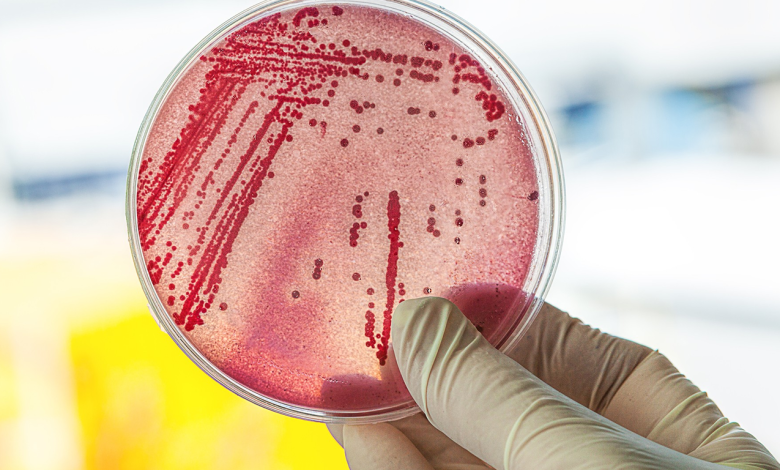
چکیده سابقه و هدف: عفونتهای دستگاه ادراری (UTIs) یک عفونت بسیار شایع در بین کودکان است و اشریشیا کلی یکی از مهمترین پاتوژنهای ایجاد کننده UTI در کودکان است. تولید آنزیم های بلاکتاماز طیف گسترده (ESBL) عامل مهمی در پیدایش مقاومت آنتی بیوتیکی در بین این باکتری ها است. این مطالعه با هدف تعیین الگوهای مقاومت، فراوانی ژنهای کدکننده ESBL و تنوع ژنتیکی سویههای E. coli جدا شده از کودکان مبتلا به عفونت ادراری بستری در بیمارستان ارجاع کودکان حضرت معصومه (س)، قم انجام شد.
روش کار: در مجموع 102 سویه غیر تکراری متوالی اشرشیاکلی که از کودکان مبتلا به عفونت ادراری جدا شده بودند، وارد مطالعه شدند. حساسیت آنتی بیوتیکی جدایه ها با استفاده از روش انتشار دیسک بر اساس دستورالعمل CLSI تعیین شد. توانایی جدایه ها برای تولید ESBL به صورت فنوتیپی با هر دو تست دیسک ترکیبی و تست هم افزایی دیسک دوگانه تعیین شد. ژن های کد کننده ESBL (bla CTX-M، bla SHV و bla TEM) در ایزوله های ESBL مثبت تایید شده فنوتیپی با روش PCR شناسایی شد. ارتباط ژنتیکی جدایه ها با استفاده از اجماع بین ژنی-PCR تکراری انتروباکتریایی (ERIC-PCR) تعیین شد.

یافتهها: 83 درصد (85=n) از کودکان دختر بودند. اکثر پسران مبتلا (88%، 15 نفر) کمتر از 1 سال و بیشتر دختران مبتلا (48%، 41 نفر) در سنین 1 تا 6 سال بودند. بالاترین حساسیت به نیتروفورانتوئین (8٪، n=8)، پس از آن آمیکاسین (12٪، n=12) و پیپراسیلین تازوباکتام (17٪، n=17) مشاهده شد. در مقابل، بالاترین میزان مقاومت به آمپی سیلین (94%، n=96) و سفازولین (93%، n=95) مشاهده شد. هشتاد و هشت درصد (90 از 102) سویه ها به چند دارو مقاوم بودند (MDR). 58 درصد (59=n) سویه ها دارای ESBL مثبت بودند و نتایج آزمایش دیسک ترکیبی با PCR مطابقت داشت. blaCTX-M شایع ترین ژن کد کننده ESBL (88٪، n = 52)، به دنبال blaTEM (54٪، n = 32)، و blaSHV (15٪، n = 9) بود. بر اساس تکنیک ERIC-PCR، جدایه ها در 13 نوع مختلف دسته بندی شدند. هیچ ارتباطی بین انواع مختلف ERIC و منشاء جدایه ها (یعنی بستری در بیمارستان یا سرپایی)، توانایی تولید ESBL و الگوهای مقاومت آنتی بیوتیکی وجود نداشت.

نتیجهگیری: شیوع بالای ایزولههای ESBL مثبت E. coli (58%) در مطالعه ما یافت شد و همه آنها MDR بودند. علاوه بر این، تفاوتهای آماری معنیداری در میزان مقاومت تولیدکنندگان ESBL و غیر تولیدکنندگان به برخی آنتیبیوتیکها وجود داشت که منجر به محدود کردن گزینههای درمانی آنها میشود. نظارت مستمر بر ظهور ایزوله های تولید کننده ESBL و پروفایل های مقاومت آنتی بیوتیکی آنها و همچنین استفاده از روش های مناسب تایپ برای کاهش انتشار آنها، انتخاب رژیم های درمانی مناسب و یافتن شیوع بیماری در بیمارستان مورد نیاز است.
Abstract
Background: Urinary tract infections (UTIs) are a highly prevalent infection among children and Escherichia coli is one of the most important pathogens causing pediatric UTIs. Production of extended spectrum b-lactamase (ESBL) enzymes is an important factor in the emergence of antibiotic resistance among these bacteria. This study aimed to determine the resistance patterns, the frequency of ESBL-encoding genes and the genetic diversity of E. coli strains isolated from children with UTIs who were admitted to children’s referral hospital of Hazrat Masoumeh, Qom, Iran.

Methods: A total of 102 consecutive non-duplicative strains of E.coli that were isolated from children with UTIs were included into the study. Antibiotic susceptibility of the isolates was determined by disk diffusion method according to the CLSI guidelines. The ability of the isolates to produce ESBLs was phenotypically determined by both combined disk test and double disk synergy test. The ESBL encoding genes (bla CTX-M, bla SHV, and bla TEM) in phenotypically confirmed ESBL-positive isolates was detected by PCR method. The genetic relatedness of the isolates was designated by enterobacterial repetitive intergenic consensus-PCR (ERIC-PCR).
Results: Eighty-three percent (n=85) of the children were female. Most of the infected boys (88%, n=15) were less than 1 year of age and most of the infected girls (48%, n=41) aged 1 to 6 years old. The highest sensitivity was observed to nitrofurantoin (8%, n=8), followed by amikacin (12%, n=12) and piperacillin-tazobactam (17%, n=17). In contrast, the highest resistance rate was seen to ampicillin (94%, n=96) and cefazolin (93%, n=95). Eighty-eight percent (90 out of 102) of the strains were multidrug-resistant (MDR). Fifty-eight percent (n=59) of the strains were ESBL-positive and results of the combined disk test was in concordance with PCR. The blaCTX-M was the most frequent ESBL encoding gene (88%, n=52), followed by blaTEM (54%, n=32), and blaSHV (15%, n=9). Based on the ERIC-PCR technique, isolates were clustered in 13 different types. There was no relationship between different ERIC types and origin of the isolates (i.e. hospitalized or outpatients), ESBL-producing ability, and antibiotic resistance patterns.

Conclusions: High prevalence of ESBL-positive isolates of E. coli (58%) was found in our study and all of them were MDR. In addition, there were statistically significant differences in the resistance rates of ESBL-producers, and non-producers to some antibiotics, which result in limiting their therapeutic options. Continuous surveillance of the emergence of ESBL-producing isolates and their antibiotic resistance profiles as well as using appropriate typing methods is needed for reducing their spread, selecting appropriate treatment regimens and finding hospital outbreaks.
Click for read more.